
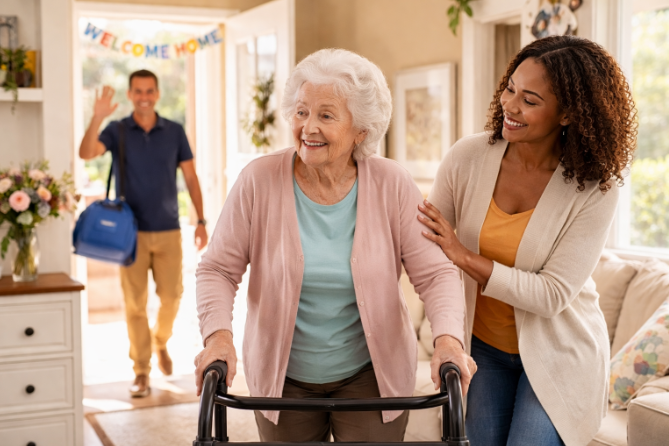
Transitioning from a structured clinical setting back to a home environment involves more than selecting a discharge date. It requires careful coordination across medical, functional, and practical areas to ensure that care continues safely outside of a facility. The individual’s condition shapes each step in the process, the level of independence regained during the stay, and the type of support available at home.
During a stay that includes skilled nursing for senior care, care teams monitor recovery closely and begin planning for discharge early in the process. This planning helps identify potential risks, such as mobility limitations or medication changes, and allows time to address them. It also helps align the next phase of care with the individual’s needs so that the transition feels structured rather than abrupt.
Why Transition Planning Begins Early
Discharge planning does not begin at the end of a stay. It often starts shortly after admission, once the care team has a clearer understanding of the patient’s condition, treatment plan, and expected recovery timeline. Early planning allows time to assess progress in stages and make adjustments as the patient responds to care.
This approach reduces the likelihood of last-minute decisions that may overlook important details, such as equipment needs or caregiver availability. It also allows family members or caregivers to prepare their home environment, ask questions, and understand the level of support they may need to provide once the individual returns home.
Assessing Medical Stability Before Discharge
One of the central considerations in transition planning is whether the individual is medically stable enough to leave a supervised setting. Stability does not always mean full recovery. Instead, it means that the person’s condition can be managed safely without continuous clinical oversight or immediate access to medical staff.
This assessment includes reviewing vital signs, medication needs, wound care, and any ongoing therapies. For example, a patient recovering from surgery may still require dressing changes or pain management, but those needs must be manageable in a home setting. If a condition still requires frequent monitoring or complex intervention, additional time in a clinical environment may be necessary before a safe transition can occur.
Evaluating Functional Independence
Beyond medical status, the ability to perform daily activities plays a major role in determining readiness for discharge. Activities such as walking, transferring from bed to chair, bathing, dressing, and preparing simple meals are evaluated carefully to understand how independently the individual can function.
Therapists often use structured assessments to measure strength, balance, and coordination. These evaluations help determine whether a person can move safely within their home without assistance. If independence is limited, plans may include assistive devices like walkers or grab bars, as well as caregiver support or continued therapy services delivered in the home.
Medication Management and Education
Medication routines can become more complex after a skilled nursing stay, especially when new prescriptions are introduced or existing medications are adjusted. Transition planning includes a thorough review of each medication, including its purpose, dosage, timing, and potential side effects.
Clear instructions are essential to prevent missed doses, duplication, or unintended interactions between medications. In some cases, simplified medication schedules or pre-organized pill systems are recommended. Caregivers may also be instructed on how to monitor for side effects or changes in condition that could indicate a need for medical follow-up.
Coordinating Follow-Up Care and Services
Ongoing care does not end at discharge. Many individuals require follow-up appointments with primary care providers or specialists, continued physical or occupational therapy, or home health visits. Transition planning ensures that these services are scheduled in advance and aligned with the individual’s needs and recovery goals.
This coordination helps maintain continuity of care and reduces gaps that could lead to complications. It also provides a structured path for monitoring progress after the transition, allowing healthcare providers to adjust treatment plans based on how the individual is functioning at home.
Preparing the Home Environment
The home setting often requires adjustments to support safety and mobility, particularly if the individual is returning with new physical limitations. This may include installing grab bars in bathrooms, removing loose rugs that could create trip hazards, or rearranging furniture to allow easier movement with assistive devices.
In some cases, equipment such as walkers, hospital beds, raised toilet seats, or shower chairs may be recommended. Assessing the home environment before discharge helps identify potential risks and ensures that necessary modifications are in place. These changes can reduce the likelihood of falls and make daily activities more manageable during recovery.
Role of Family and Caregivers
Family members and caregivers frequently play a central role in the transition process. Their involvement may include assisting with daily activities such as bathing and dressing, monitoring symptoms, managing medications, and providing transportation to follow-up appointments.
Effective transition planning includes educating caregivers about the individual’s specific needs and limitations. This may involve hands-on demonstrations, written instructions, or direct communication with healthcare providers. Clear preparation helps reduce uncertainty and allows caregivers to respond more confidently to changes in the individual’s condition.
Understanding Limitations and Recovery Pace
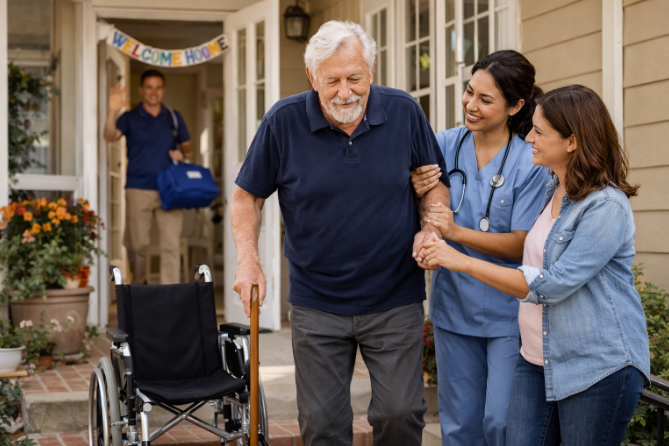 Recovery does not always follow a predictable or linear path. Some individuals may regain independence quickly, while others may require ongoing support for weeks or months. Transition planning involves setting realistic expectations about what can be managed at home and what may take more time to improve.
Understanding these limitations helps prevent overexertion, which can slow recovery or lead to setbacks. It also allows for adjustments in care plans if progress differs from initial expectations, ensuring that the level of support remains appropriate as needs change.
Monitoring for Early Signs of Complications
After returning home, early detection of complications is important to prevent more serious issues. Changes such as increased pain, swelling, confusion, reduced mobility, or difficulty performing daily tasks may indicate that additional medical attention is needed.
Transition plans often include clear guidance on what symptoms to watch for and when to seek help. This may involve scheduled check-ins with healthcare providers or instructions for contacting a physician if specific concerns arise. This proactive approach supports timely intervention and helps reduce the risk of hospital readmission.
Balancing Independence and Safety
One of the key challenges in transitioning from skilled nursing to home is finding the right balance between independence and safety. Encouraging independence can support recovery, confidence, and overall well-being, but it must be aligned with the individual’s current abilities and limitations.
Care plans often include gradual increases in activity, such as walking longer distances or completing more tasks independently, with adjustments based on progress. This measured approach allows individuals to rebuild strength and function while maintaining a safe environment that reduces the risk of injury or setbacks.
Leave a Comment