Individuals with complex medical conditions often require care that goes beyond what can be safely managed at home or in a standard assisted living environment. A skilled nursing facility provides a clinical setting where licensed nurses, rehabilitation specialists, and medical staff coordinate ongoing treatment, monitoring, and recovery support. These facilities are designed to manage conditions that involve multiple health concerns, specialized equipment, or frequent medical supervision.
Families exploring options near Moreno Valley and Jurupa Valley frequently encounter situations where a patient’s needs include wound management, rehabilitation therapy, medication stabilization, or recovery following hospitalization. In these situations, a skilled nursing facility provides a structured care environment where treatment plans are implemented daily and adjusted based on clinical progress.
Understanding What Qualifies As Complex Medical Needs
 Complex medical needs typically involve conditions that require continuous clinical observation or coordinated treatment across several areas of care. This can include chronic illnesses such as heart failure, advanced diabetes, neurological disorders, respiratory disease, or complications following surgery or injury.
Patients with complex conditions may require multiple medications, physical rehabilitation, wound treatment, respiratory support, or assistance managing medical devices. These needs often extend beyond routine personal care. Skilled nursing facilities are structured to manage these layers of care safely and consistently.
In many cases, complexity arises not from a single condition but from the interaction of several health issues. For example, a patient recovering from surgery may also be managing mobility limitations, infection risk, and medication adjustments. Coordinating these elements requires trained medical oversight.
Clinical Services Typically Provided In Skilled Nursing Settings
A skilled nursing facility operates as a medical care environment rather than simply a residential setting. Licensed nurses are available around the clock to monitor patient status, administer medications, manage symptoms, and respond to changes in health conditions.
Facilities often provide specialized services such as intravenous therapy, complex wound care, respiratory treatment, and post-operative monitoring. These services require clinical expertise and equipment that are not typically available in non-medical care environments.
The goal is to maintain stability while addressing active medical concerns. Care teams review treatment plans regularly and adjust care based on physician orders, patient response, and rehabilitation progress.
How Skilled Nursing Facilities Support Recovery After Hospitalization
Many individuals enter skilled nursing care following a hospital stay. Hospitals focus on stabilizing acute medical conditions, but recovery often continues after discharge. Skilled nursing facilities serve as an intermediate stage where medical supervision and rehabilitation can continue while patients regain strength and independence.
During this period, care teams monitor vital signs, manage medications, and observe for potential complications. This close observation can help identify early warning signs that might otherwise lead to hospital readmission if left unaddressed.
Patients may remain in skilled nursing care until they reach a level of stability that allows them to transition safely to a lower level of support, such as home health care or assisted living.
The Role Of Rehabilitation Therapies In Complex Care
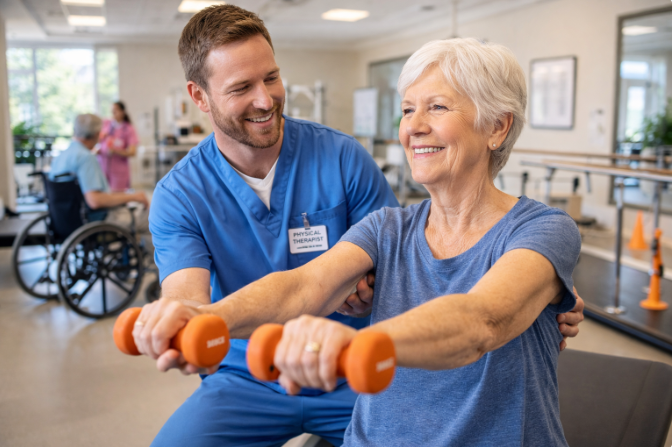
Rehabilitation services play a central role in many skilled nursing care plans. Physical therapy, occupational therapy, and speech therapy are commonly integrated into daily routines to support functional recovery.
Physical therapy focuses on restoring strength, mobility, and balance. This is particularly important for individuals recovering from orthopedic surgery, stroke, or prolonged hospitalization. Regaining safe movement reduces the risk of falls and supports long-term independence.
Occupational therapy helps patients relearn practical skills needed for everyday activities, such as dressing, bathing, or using adaptive equipment. Speech therapy may address communication challenges or swallowing disorders that arise from neurological conditions or medical procedures.
Medication Management And Clinical Monitoring
Managing medications becomes more complex when individuals are prescribed multiple drugs for different health conditions. Skilled nursing facilities maintain structured medication administration systems that reduce the risk of dosing errors or missed treatments.
Licensed nurses oversee medication schedules, monitor for side effects, and coordinate with physicians when adjustments are necessary. Changes in blood pressure, blood glucose levels, or other vital indicators are documented and reviewed regularly.
This level of monitoring helps ensure that treatment plans remain appropriate as a patient’s condition evolves. It also allows for early intervention if unexpected reactions or complications occur.
Coordination Between Physicians And Care Teams
Complex medical needs often require collaboration among multiple healthcare professionals. Skilled nursing facilities facilitate communication between physicians, nurses, therapists, and other specialists involved in a patient’s care.
Care conferences and regular evaluations allow the team to assess progress, review treatment goals, and address emerging concerns. Physicians may adjust medication regimens, order diagnostic testing, or modify therapy programs based on these evaluations.
This collaborative structure helps ensure that all aspects of care remain aligned with the patient’s current medical status. Coordination also helps prevent gaps in treatment that could otherwise occur when multiple providers are involved.
Safety Measures For Patients With Higher Medical Risk
Patients with complex health conditions often face increased risk of complications such as infections, falls, or sudden health changes. Skilled nursing facilities implement safety protocols designed to reduce these risks.
Staff members receive training in infection prevention, mobility assistance, and emergency response. Equipment such as mobility aids, monitoring devices, and specialized beds may be used to support patient safety.
Regular assessments help identify potential hazards and adjust care approaches as needed. For example, fall prevention strategies may include supervised walking programs, environmental modifications, and strength-building therapy sessions.
Transition Planning And Long-Term Care Considerations
Not every patient remains in a skilled nursing facility permanently. For many individuals, the setting serves as a temporary stage in recovery or medical stabilization. As treatment progresses, care teams evaluate whether a patient can safely transition to a different level of care.
Discharge planning typically involves reviewing medical progress, functional ability, and the availability of support in the next care setting. Some individuals return home with home health services, while others transition to assisted living or long-term nursing care, depending on their condition.
The planning process often includes family discussions, coordination with outpatient providers, and preparation of medical documentation to ensure continuity of care after discharge.
Situations Where Skilled Nursing Care Becomes Necessary
Skilled nursing care is commonly recommended when a patient’s condition requires daily medical oversight that cannot be safely provided in a non-clinical environment. This may include individuals recovering from major surgery, those with complex wounds, or patients experiencing complications from chronic illness.
Neurological conditions such as stroke or advanced Parkinson’s disease may also create care needs that require ongoing therapy and monitoring. In other cases, respiratory support, intravenous medication administration, or nutritional management through feeding tubes may be necessary.
When multiple treatment elements must be coordinated consistently throughout the day, a skilled nursing facility provides the infrastructure and staffing needed to manage those demands safely and effectively.
Leave a Comment