
Families often notice gradual changes in a loved one’s health long before a clear decision point appears. A parent or relative who once managed daily routines independently may begin struggling with medical needs, mobility, or cognitive function. These changes can develop slowly, making it difficult to determine when home care is no longer sufficient.
Twenty-four-hour skilled nursing care becomes relevant when a person requires continuous clinical oversight, not just help with daily activities. Recognizing the signs early allows families to explore appropriate care environments before a health crisis occurs. The following indicators often suggest that a higher level of medical supervision may be necessary.
Frequent Medical Complications That Require Clinical Oversight
One of the clearest signs that a person may need continuous skilled care is the presence of ongoing medical conditions that require professional monitoring. Chronic illnesses such as heart disease, advanced diabetes, respiratory disorders, or neurological conditions can lead to sudden complications if not carefully managed.
When medications must be adjusted regularly, vital signs require routine monitoring, or treatments such as wound care or respiratory therapy are needed, family caregivers may struggle to maintain the level of consistency required. Clinical staff in a skilled setting are trained to monitor symptoms, track changes, and intervene quickly when conditions shift.
Repeated Hospitalizations or Emergency Room Visits
Frequent hospital visits often indicate that a person’s health needs exceed what can be safely managed at home. Recurrent infections, falls, medication complications, or worsening chronic conditions can create a cycle of hospital discharge followed by rapid health decline.
When hospitalizations become common, physicians often recommend a care setting that provides round-the-clock observation. In these environments, trained nurses can detect early warning signs, manage medications precisely, and coordinate with physicians to prevent avoidable medical crises.
Difficulty Managing Complex Medication Schedules
Many older adults take multiple medications throughout the day. These prescriptions may include medications with strict timing requirements, dosage adjustments, or potential interactions that require close supervision.
Missing doses, accidentally taking duplicate medications, or misunderstanding instructions can lead to serious complications. Skilled nursing staff are trained to administer medications accurately, monitor side effects, and maintain detailed records that support safe treatment plans. When medication management becomes difficult or risky at home, continuous nursing oversight may be necessary.
Declining Mobility and Increased Fall Risk
Changes in mobility can significantly affect a person’s safety. Difficulty walking, transferring from bed to chair, or maintaining balance can increase the likelihood of falls. Even minor falls can lead to serious injuries, particularly for individuals with fragile bones or underlying health conditions.
A person who requires assistance with standing, repositioning, or walking may need trained staff available at all times. Skilled nursing environments often include equipment, mobility support protocols, and staff training designed to reduce fall risk while helping residents maintain as much independence as possible.
Ongoing Need for Wound Care or Medical Treatments
Certain medical conditions require daily clinical care that cannot easily be provided by family members. Pressure injuries, surgical wounds, infections, or vascular conditions often require careful treatment and monitoring by trained nurses.
Improper wound care can lead to complications such as infection or delayed healing. Skilled nursing staff follow structured treatment protocols, monitor healing progress, and adjust care plans when necessary. When wounds require frequent assessment or specialized treatment, continuous nursing supervision may become essential.
Progressive Cognitive Impairment Affecting Safety
Cognitive decline can affect judgment, memory, and awareness of surroundings. Individuals experiencing moderate to advanced dementia may forget medications, wander from safe areas, or struggle to recognize potentially dangerous situations.
These risks increase when a person is left alone for extended periods. Continuous supervision by trained caregivers helps reduce the likelihood of injury or medical complications. Structured care environments also provide routines and monitoring that support both safety and consistent daily care.
Inability to Perform Basic Daily Activities Without Assistance
Daily activities such as bathing, dressing, eating, and toileting are essential for maintaining health and dignity. When a person becomes unable to complete these tasks independently, family members often step in to assist.
However, when these needs extend throughout the entire day and night, informal caregiving may become physically and emotionally demanding. Skilled nursing care provides trained staff who assist with daily activities while also monitoring health conditions that may affect mobility, nutrition, or hygiene.
Families exploring higher levels of care may review services that provide continuous clinical supervision, such as skilled nursing support, where licensed nurses and trained staff remain available around the clock to address medical and personal care needs.
Noticeable Decline in Overall Physical Strength or Endurance
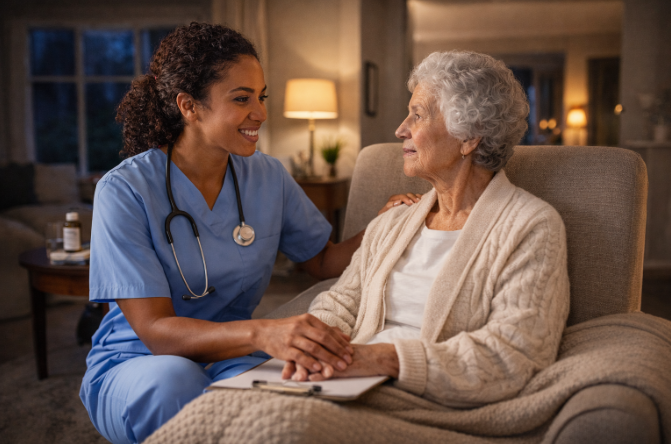 A gradual loss of strength can affect many aspects of daily life. Individuals may become easily fatigued, struggle to stand or walk short distances, or require extended recovery time after minor illnesses. These changes can increase the risk of complications such as infections, falls, or reduced mobility.
Continuous nursing care environments often incorporate structured routines that support physical stability. Staff assist with movement, monitor nutritional intake, and observe signs of further decline that may require medical attention.
Caregiver Burnout and Increasing Care Demands
Family members frequently take on caregiving responsibilities with the intention of supporting a loved one at home for as long as possible. Over time, however, the physical and emotional demands of caregiving can increase significantly. Nighttime supervision, medication management, mobility assistance, and medical monitoring may require constant attention.
When caregiving responsibilities begin affecting the caregiver’s health, sleep, or ability to maintain daily responsibilities, the situation may no longer be sustainable. Continuous skilled care can provide professional support while allowing family members to remain involved in their loved one’s care without bearing the full weight of medical oversight.
Medical Professionals Recommend Continuous Nursing Care
In many cases, the recommendation for skilled nursing care comes directly from physicians, hospital discharge planners, or rehabilitation specialists. These professionals evaluate medical stability, treatment needs, and the level of supervision required for recovery or ongoing care.
When clinicians determine that a person requires frequent medical monitoring, specialized treatments, or continuous nursing supervision, a skilled care setting may be recommended as the safest option. This recommendation often follows hospitalization, surgery, or the progression of chronic illness that requires ongoing clinical management.
Leave a Comment