

Individuals with complex medical conditions often require more than periodic check-ins or scheduled appointments. Their health status can shift throughout the day due to medication timing, underlying diagnoses, or changes in mobility and cognition. Continuous nursing supervision addresses this variability by providing consistent oversight rather than intermittent care.
Twenty-four-hour nursing supervision is structured to monitor, assess, and respond to medical needs at any time. This level of care is particularly relevant when conditions involve multiple diagnoses, intricate medication regimens, or a history of sudden clinical changes. The goal is not intensity alone, but reliability and continuity.
What Qualifies as a Complex Medical Need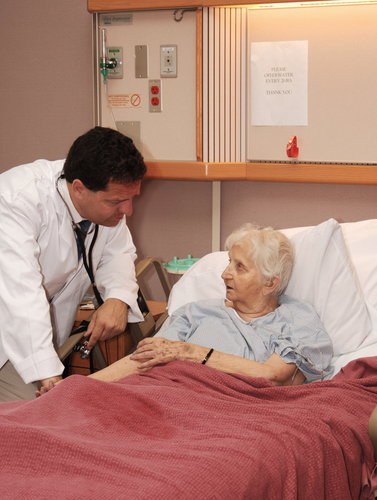
Complex medical needs typically involve overlapping conditions that require coordinated management. Examples include advanced diabetes with insulin adjustments, heart failure requiring fluid monitoring, chronic obstructive pulmonary disease with oxygen support, or neurological disorders affecting mobility and swallowing. These situations demand consistent assessment rather than isolated interventions.
Complexity also arises when treatments interact. Multiple medications may influence blood pressure, kidney function, or mental status. A change in one area can affect another. Continuous supervision allows trained staff to recognize patterns and identify early signs of imbalance before they escalate.
Continuous Monitoring Reduces Delayed Responses
When nursing oversight is available around the clock, subtle changes are more likely to be detected promptly. Shifts in breathing patterns, altered alertness, or changes in skin integrity may occur gradually. In a setting without 24-hour supervision, these developments can go unnoticed between scheduled visits.
Ongoing presence allows for timely documentation and communication. A nurse observing a trend in blood glucose readings, for example, can notify the appropriate provider and adjust monitoring frequency. This structured vigilance supports clinical stability by shortening the time between observation and response.
Medication Management in Real Time
Complex medical cases often involve multiple medications administered at different times of day. Dosing accuracy, timing, and monitoring for side effects are critical. Around-the-clock nursing supervision reduces the risk of missed doses, duplications, or harmful interactions.
In addition to administration, nurses assess how medications are tolerated. Signs of dizziness, confusion, swelling, or gastrointestinal distress can signal adverse reactions. Immediate evaluation allows adjustments to be discussed with prescribing professionals without unnecessary delay.
Coordinating Care Across Multiple Providers
Individuals with advanced medical needs frequently see several specialists. Cardiology, endocrinology, neurology, and primary care may all contribute to a treatment plan. Twenty-four-hour nursing supervision helps translate these recommendations into daily practice.
Nurses serve as a consistent point of reference, ensuring that changes from one provider are communicated clearly and incorporated safely. Documentation, observation, and structured reporting reduce fragmentation. This coordination supports continuity when treatment plans evolve.
Managing Acute Changes Within a Structured Environment
Even with stable chronic conditions, acute changes can occur. Infections, dehydration, falls, or respiratory distress may develop unexpectedly. A supervised setting allows staff to assess symptoms immediately and determine appropriate next steps.
Rapid evaluation does not replace emergency services when necessary, but it does ensure that warning signs are recognized quickly. Vital signs can be checked without delay, and relevant information can be relayed accurately if outside intervention is required. This readiness is a defining feature of continuous supervision.
Supporting Functional Limitations Alongside Medical Care
Complex medical needs often intersect with physical or cognitive limitations. Individuals may require assistance with mobility, transfers, eating, or hygiene. Without supervision, these daily activities can increase risk for injury or medical complications.
Twenty-four-hour nursing oversight integrates clinical awareness into routine tasks. For example, monitoring fluid intake while assisting with meals can support heart or kidney management. Observing balance during transfers can reduce fall risk while also identifying new weakness. Medical and functional support operate together rather than separately.
Monitoring Chronic Conditions Over Time
Chronic conditions require long-term observation to detect gradual decline or improvement. Blood pressure trends, weight fluctuations, and respiratory tolerance may shift over weeks rather than hours. Continuous supervision allows data to be gathered consistently and interpreted in context.
This longitudinal perspective supports informed clinical decisions. Adjustments to care plans are based on documented patterns rather than isolated readings. For individuals receiving skilled nursing care, structured monitoring provides a stable framework for managing ongoing health needs.
Addressing Cognitive Changes and Safety Risks
Some complex medical conditions involve cognitive impairment, whether due to neurological disease, medication effects, or metabolic imbalance. Confusion can increase the likelihood of wandering, improper medication use, or unsafe mobility. Round-the-clock nursing presence helps mitigate these risks.
Staff can observe behavioral changes that signal infection, medication side effects, or disease progression. Early recognition supports prompt evaluation. Continuous supervision also ensures that safety measures remain in place during overnight hours when vulnerabilities may increase.
Providing Structured Documentation and Accountability
Accurate documentation is essential when managing layered medical conditions. Twenty-four-hour nursing supervision creates a continuous record of observations, interventions, and responses. This record supports transparency and informed communication among healthcare professionals.
Structured charting allows trends to be reviewed and compared over time. It also clarifies what actions were taken and when. For individuals with complex needs, this level of accountability strengthens consistency and reduces ambiguity in care delivery.
Leave a Comment