
Memory Care Facility
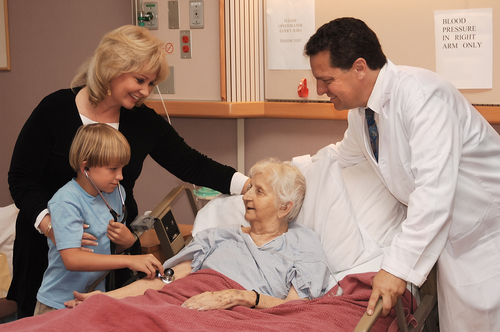
As loved ones age and transition into care settings like assisted living, nursing homes, or convalescent facilities, the question of how involved families should be often arises. While professional caregivers provide essential services, family involvement in care remains one of the most critical elements for a senior’s emotional, psychological, and even physical well-being.
This article explores why family involvement is vital, the many ways families can stay engaged, and how this collaboration benefits both seniors and care providers alike.
1. Understanding the Role of Family in Senior Care
Family members serve as more than just visitors; they are advocates, emotional anchors, and often the best source of historical and personal context for seniors in care.
Family Involvement Can Include:
-
Participating in care planning and decision-making
-
Attending medical appointments or check-ins
-
Helping with personal tasks or hobbies
-
Providing emotional and social support
-
Monitoring changes in condition or mood
-
Assisting with legal, financial, or logistical matters
Whether family members live nearby or far away, their engagement can make a measurable difference in the senior’s overall experience and outcomes.
2. Emotional Benefits for Seniors
One of the most significant impacts of family involvement is the emotional reassurance it provides. Older adults who know their families are invested in their care often feel more valued and secure.
Emotional advantages include:
-
Reduced feelings of loneliness or abandonment
-
Improved mood and reduced risk of depression
-
Stronger sense of identity and connection to life outside the facility
-
Encouragement during recovery or rehabilitation efforts
Just regular phone calls or scheduled visits can be enough to uplift a resident’s spirits and give them something to look forward to.
3. Better Communication and Advocacy
No one knows a senior better than their family. Their input provides vital context that care staff may not always have, such as past health history, personality quirks, preferences, and triggers.
How family members help with communication:
-
Share background information to personalize care plans
-
Spot changes in behavior or health that staff might miss
-
Clarify a senior’s needs when the individual has difficulty speaking or remembering
-
Act as advocates in case of disputes, misunderstandings, or missed medical needs
This collaborative approach leads to more accurate care and greater satisfaction for everyone involved.
4. Encouraging Participation and Social Engagement
Seniors who stay connected to their families are often more motivated to participate in social activities and community events. These connections help preserve a sense of purpose and belonging.
Ways families can encourage engagement:
-
Join their loved one during social events or meals
-
Celebrate holidays and birthdays together at the facility
-
Encourage them to join group activities by showing interest or offering to attend
-
Reminisce through shared photo albums or storytelling
The result is a more active, confident resident who feels supported and loved.
5. Enhancing Continuity of Care
When family members are involved, transitions between home, hospital, and care facilities become smoother. They can track medication changes, doctor recommendations, and therapy plans, ensuring continuity.
This becomes especially important when:
-
A resident is moving between short-term rehab and long-term care
-
Hospitalization requires post-discharge care coordination
-
Dementia or memory issues make self-reporting difficult
By staying informed, families can ensure no critical detail falls through the cracks.
6. Reducing Caregiver Burnout and Building Trust
Family involvement isn’t just beneficial for seniors; it also supports professional caregivers.
Benefits for staff include:
-
Reduced workload from families helping with non-medical tasks
-
Clearer communication about resident needs
-
A more positive atmosphere with collaborative care
-
Better staff-family relationships, which contribute to trust and teamwork
Facilities that welcome and encourage family engagement often see higher satisfaction ratings and better resident outcomes.
7. Tips for Staying Involved, Even from a Distance
Even families who live far away can stay actively engaged with some creativity and technology.
Remote involvement strategies:
-
Schedule regular video calls or phone check-ins
-
Subscribe to care facility newsletters and activity calendars
-
Send letters, care packages, or photo books
-
Participate in virtual care plan meetings or family councils
-
Use apps or online portals to monitor health updates or communicate with staff
Long-distance involvement shows the resident they’re loved and valued, regardless of physical distance.
8. Encouraging Family Involvement in Care Facilities
The most successful senior care facilities create a welcoming environment for families and make it easy to stay engaged.
What to look for in a facility:
-
Open visitation policies
-
Scheduled family events or open houses
-
Clear communication channels with staff
-
Opportunities to participate in care planning
-
Family support groups or newsletters
If you’re evaluating facilities, choose one that sees families as partners, not just occasional visitors.
Conclusion: A Team Approach to Senior Care
Family involvement in care isn’t just a kind gesture; it’s a powerful component of high-quality senior living. From emotional support to advocacy and continuity of care, families help elevate the resident’s experience in meaningful ways.
As aging becomes a shared journey between professionals and loved ones, the more we can work together, the better outcomes we’ll see for our seniors.
Whether it’s a weekly call, monthly visit, or participation in care planning meetings, every effort counts. Because at the heart of elder care is community, and family is always at the core.
Leave a Comment