

Transitioning from a hospital setting to home or another level of care often involves ongoing recovery, medication adjustments, and changes in daily routines. While discharge marks a step forward, it does not always mean that the underlying condition is fully resolved. Many individuals experience complications in the days or weeks following discharge, particularly when care coordination or follow-up support is limited.
Understanding the types of complications that can occur after hospitalization helps clarify why continued monitoring and structured care are often necessary. In many cases, recovery depends not only on the initial treatment but also on how well post-discharge needs are managed.
Medication Errors And Adherence Challenges
One of the most common complications after discharge involves medication management. Patients are often prescribed new medications, adjustments to existing prescriptions, or complex dosing schedules. Confusion can arise when instructions are unclear or when multiple providers have been involved in care decisions.
Missed doses, incorrect timing, or unintended medication duplication can lead to adverse effects or reduced treatment effectiveness. In some cases, patients may stop taking medications prematurely due to side effects or misunderstandings about their purpose. These issues are particularly common among individuals managing multiple chronic conditions.
Infections Developing After Discharge
Infections may develop or worsen after a patient leaves the hospital, especially if there were recent surgeries, invasive procedures, or compromised immune function. Surgical site infections, urinary tract infections, and respiratory infections are among the more frequent concerns.
Early signs of infection may be subtle, such as mild redness, low-grade fever, or increased fatigue. Without timely recognition and treatment, these infections can progress and require readmission. Proper wound care, hygiene practices, and follow-up assessments help reduce this risk.
Worsening Of Underlying Conditions
Hospitalization often addresses acute symptoms, but many patients are discharged while still managing chronic or partially stabilized conditions. Heart failure, diabetes, respiratory disorders, and neurological conditions can all fluctuate after discharge.
Without consistent monitoring, early signs of deterioration may go unnoticed. For example, fluid retention in heart failure or unstable blood sugar levels in diabetes can develop gradually but lead to significant complications if not addressed promptly. These changes often require close observation and timely adjustments to treatment plans.
Reduced Mobility And Physical Deconditioning
Time spent in the hospital, particularly for older adults or those with limited baseline mobility, can result in physical deconditioning. Muscle strength, balance, and endurance may decline even after a short stay, increasing the risk of falls and injury.
After discharge, patients may struggle with routine activities such as walking, transferring, or maintaining independence at home. Without structured rehabilitation or support, this decline can delay recovery and contribute to further health complications. Physical therapy and guided movement plans are often necessary to rebuild strength safely.
Complications Related To Wound And Surgical Care
Patients recovering from surgery often require ongoing wound care, dressing changes, and monitoring for complications. Improper wound management can lead to delayed healing, infection, or reopening of surgical sites.
In many cases, patients or caregivers are responsible for following detailed instructions at home. If these instructions are not clearly understood or consistently followed, complications can arise. Access to skilled oversight can help ensure that wound healing progresses as expected and that any concerns are addressed early.
Cognitive Changes And Delirium
Cognitive changes, including confusion, memory difficulties, or delirium, are not uncommon after hospitalization. These changes may be temporary but can significantly affect a patient’s ability to follow care instructions, manage medications, or recognize symptoms that require attention.
Older adults are particularly vulnerable to post-hospital cognitive shifts, especially if they experienced acute illness, anesthesia, or prolonged hospital stays. Without structured support, these changes can increase the risk of medication errors, missed follow-ups, and safety concerns at home.
Nutritional Deficiencies And Poor Intake
Maintaining adequate nutrition after discharge can be challenging. Patients may experience reduced appetite, difficulty swallowing, or fatigue that limits their ability to prepare meals. Dietary restrictions related to medical conditions can further complicate intake.
Inadequate nutrition can slow healing, weaken the immune system, and contribute to muscle loss. For patients recovering from illness or surgery, consistent nutritional support is an essential part of recovery. Monitoring intake and addressing barriers early can help prevent further decline.
Gaps In Care Coordination And Follow-Up
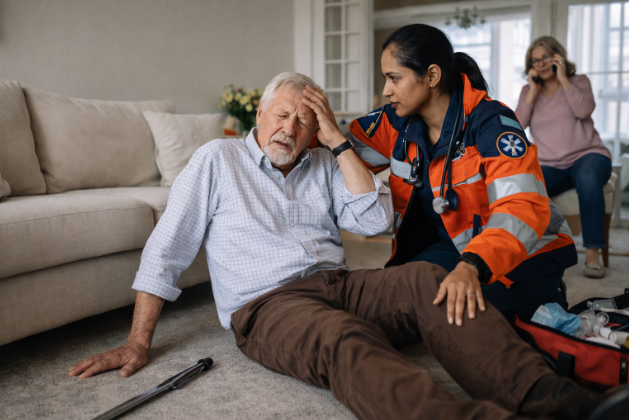 Effective discharge planning requires coordination between hospital providers, primary care physicians, specialists, and any ongoing care services. When communication gaps occur, patients may leave the hospital without clear instructions or appropriate follow-up appointments.
Missed follow-ups, unclear care plans, or lack of access to necessary services can lead to unmanaged symptoms and preventable complications. Patients may also be uncertain about when to seek medical attention, leading to delays in care. Structured transitions that bridge hospital care and ongoing management can reduce these risks.
Increased Risk Of Hospital Readmission
Many of the complications that arise after discharge contribute to a higher likelihood of readmission. Medication errors, infections, unmanaged chronic conditions, and functional decline are among the most common reasons patients return to the hospital.
Reducing readmission risk involves addressing multiple factors simultaneously, including clinical monitoring, patient education, and coordinated follow-up care. Environments designed to provide continued oversight, such as a post-acute care facility, can help manage ongoing medical needs while supporting recovery in a structured setting.
The Role Of Ongoing Monitoring In Recovery Stability
After discharge, recovery is rarely linear. Patients may experience gradual improvement alongside intermittent setbacks. Ongoing monitoring allows for early detection of changes that might otherwise go unnoticed until they become more serious.
Vital signs, symptom patterns, mobility levels, and overall function all provide important indicators of recovery progress. When these factors are observed consistently, care teams can make timely adjustments and reduce the likelihood of complications escalating. This level of oversight is often difficult to maintain without structured support beyond the hospital setting.
Leave a Comment